Why zisha
A pot that improves every time you use it
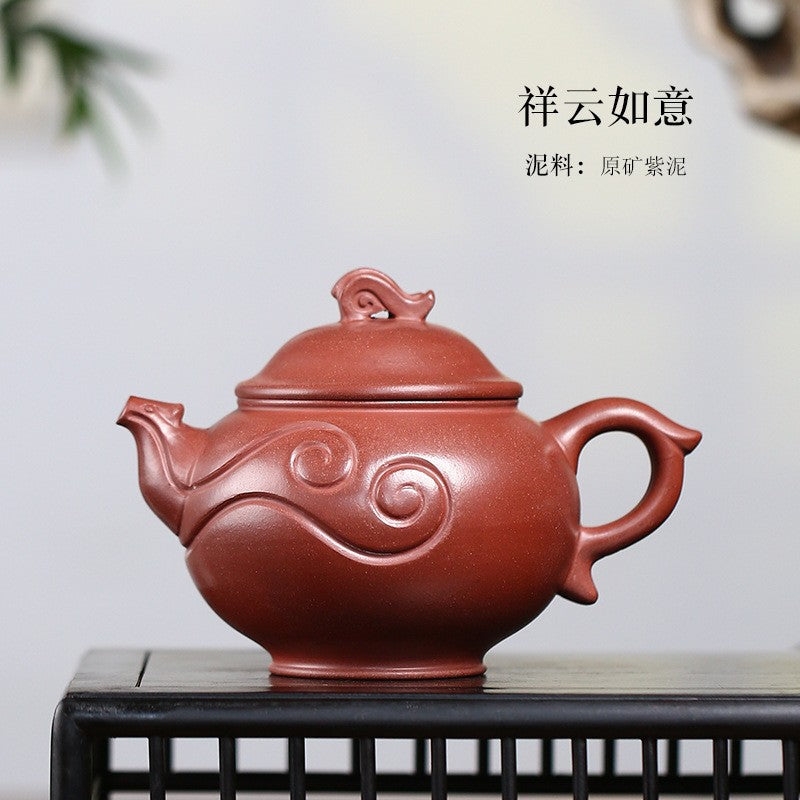
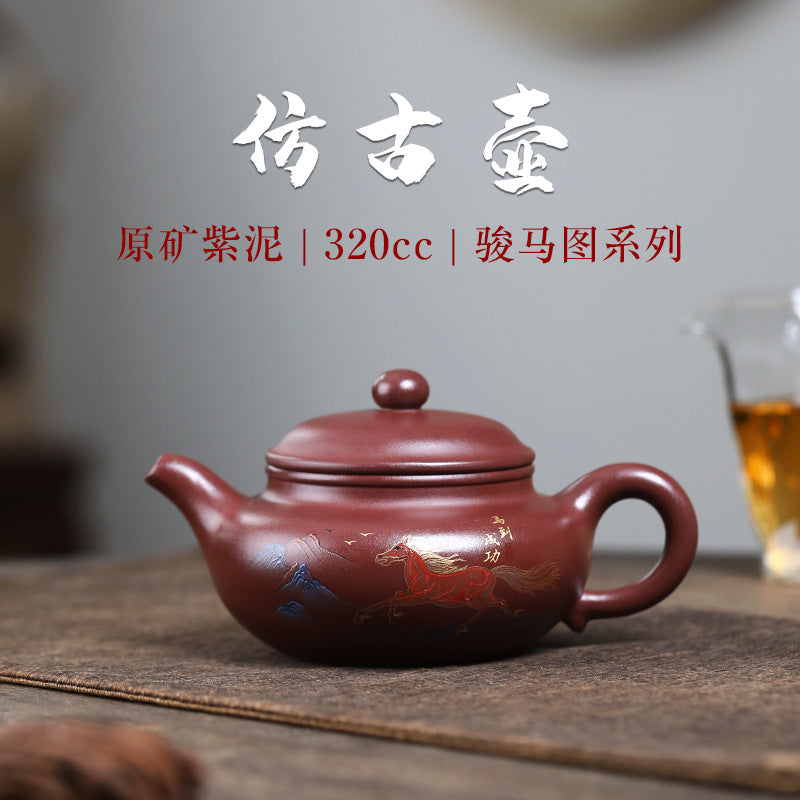
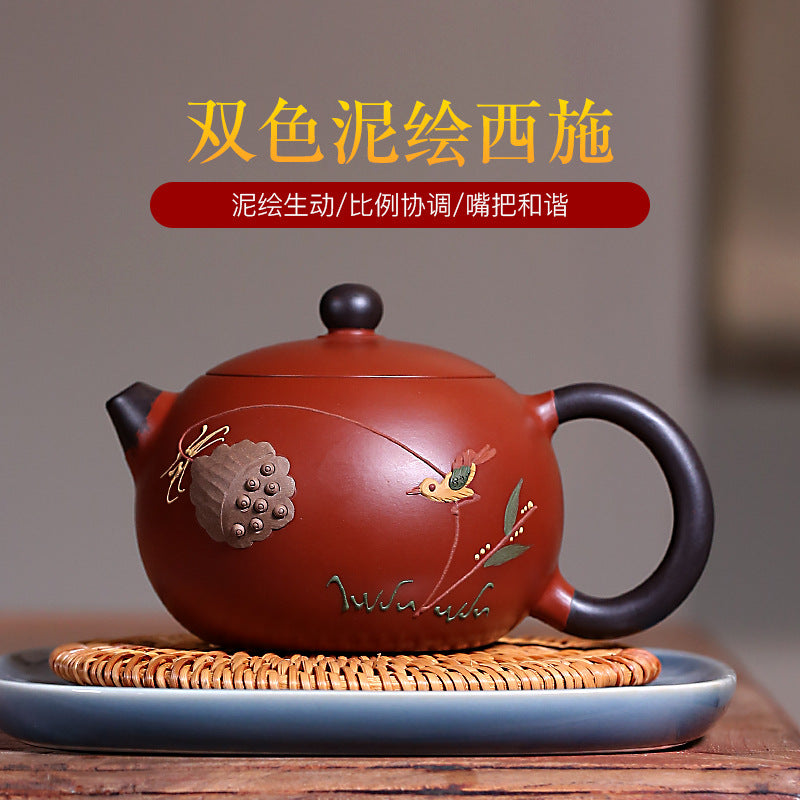
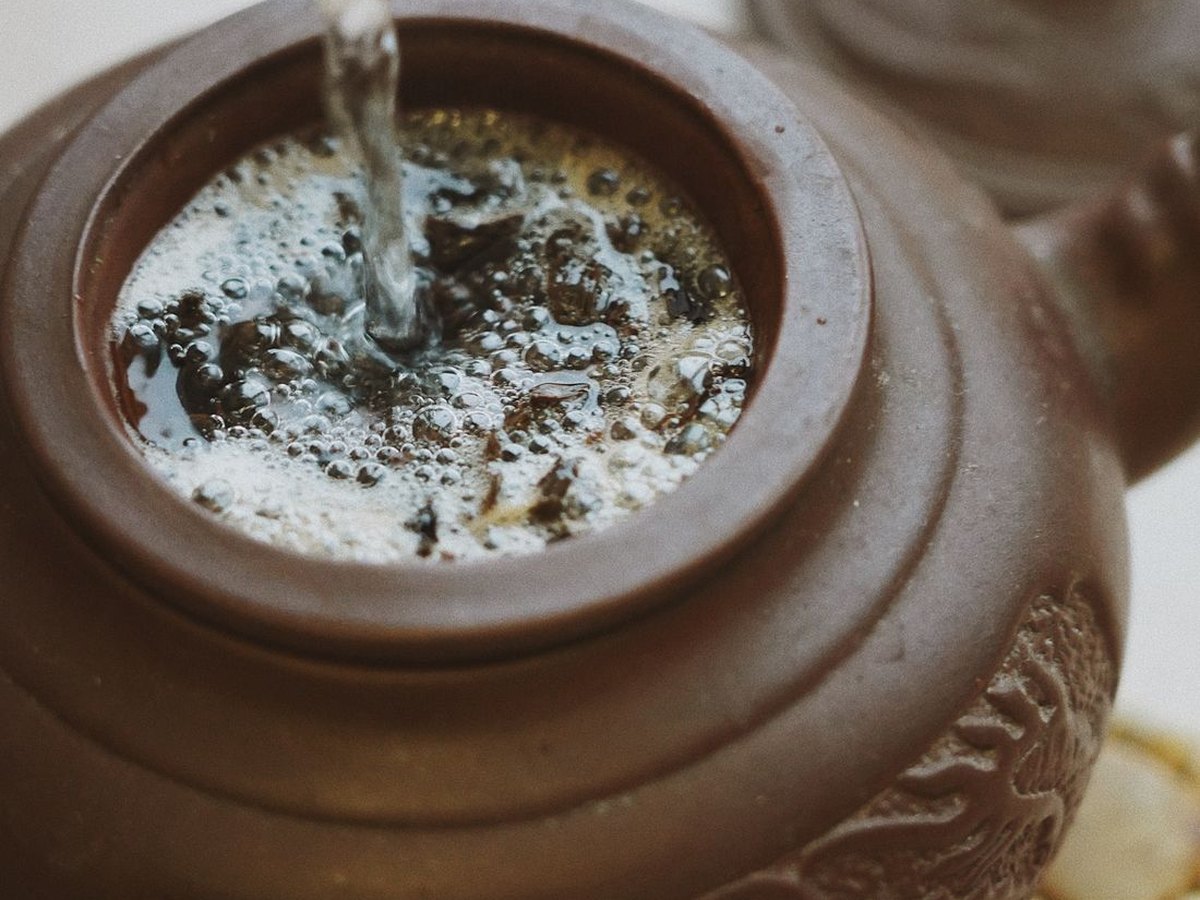
Yixing zisha is not glazed, and that is the whole point. The clay is porous enough to take up a little of every tea you brew in it — the oils settle into the body, the pour softens, and after a few months the pot starts giving something back to the leaf.
Nothing about that is fast. It happens over hundreds of sessions, one pot dedicated to one tea. We think that is the most interesting thing you can own: an object that is unfinished by design.

Our story
The KungFuTeapot story
We started with a simple frustration: outside Yixing, it is hard to know what you are buying. Two pots can look identical in a photograph and behave nothing alike — different ore, different firing, different feel in the hand.
So we buy the way we would want to buy: piece by piece, from workshops in Yixing we have handled the work of, and we describe what each pot actually is — the clay, the capacity, the filter, the tea it was made for. No house brand, no invented heritage. Just a small, carefully chosen shelf, shipped from Hong Kong.
One pot, one tea
Original ore clay
Unglazed, finished by hand
Our craft
From ore to pot
Zisha clay is dug as stone, weathered, ground, and rested — often for years — before it is workable. Bodies are built by hand rather than thrown on a wheel: the shape is raised from slabs and paddled into form, which is why a good pot has a slightly uneven wall and a particular weight in the hand.
It is then fired unglazed, high enough to vitrify without sealing the surface. What comes out is a teapot that holds heat, seasons slowly, and shows every year of use. We choose pieces the way a drinker would: for the pour, the lid fit, and the way the clay takes the tea.


The shelf
Pots to start with